Remediation, Livelihoods, and the Next Generation: INFN8 VZN's Work in Ghana
Reversing the damage that illegal artisanal gold mining has done to Ghana's water, soil, and communities requires more than a single intervention. INFN8 VZN works across four connected project areas: remediating mercury and heavy metal contaminated water and soil, building sustainable food systems that do not depend on poisoned land, and investing in the generation of Ghanaian children who deserve a future that has nothing to do with a mining pit.
Project 1: Mercury and Heavy Metal Remediation Across Ghana's Water and Soil
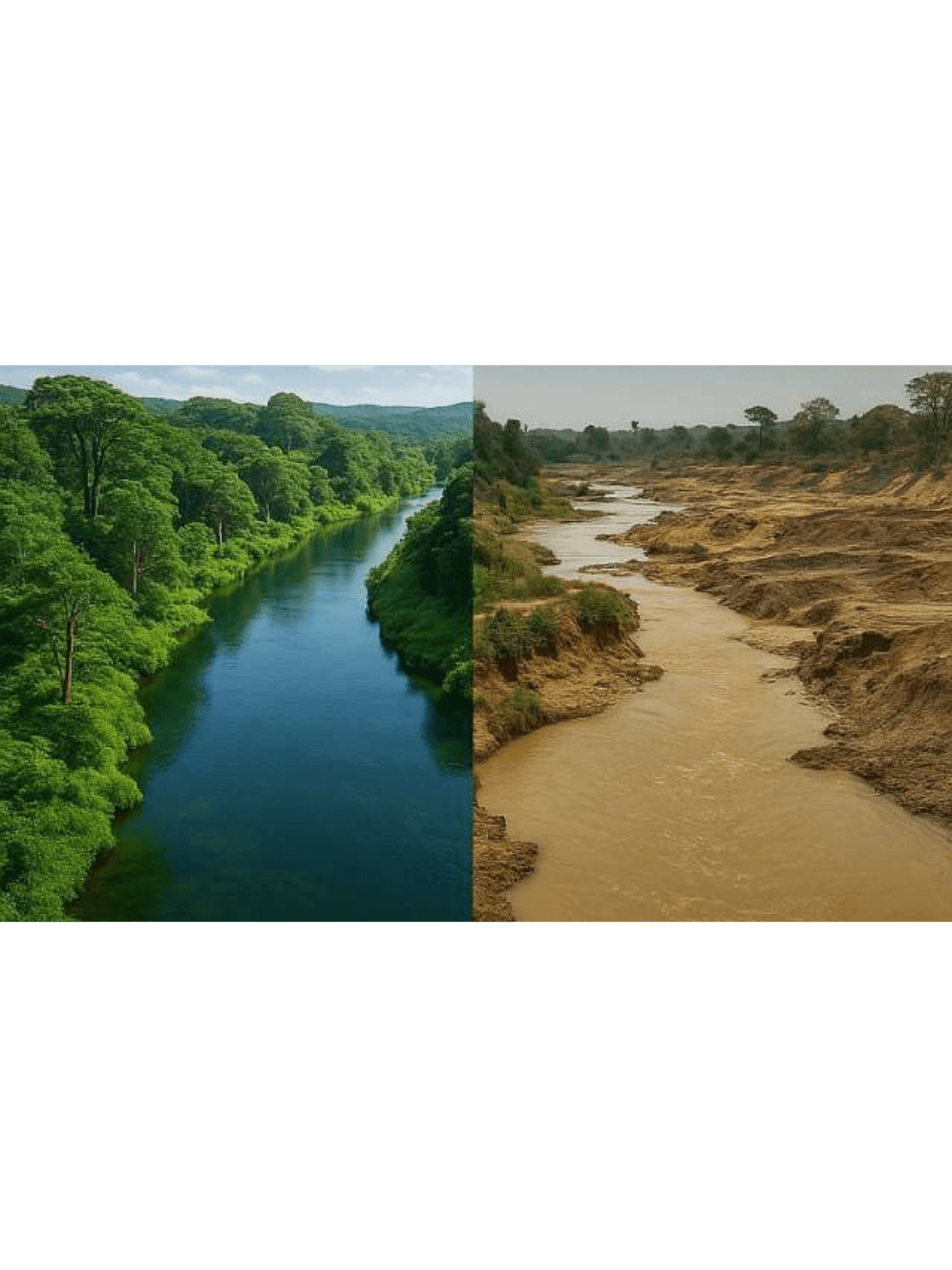
Contaminated water that flows across poisoned soil becomes recontaminated within days. Treating one without the other produces no lasting result. INFN8 VZN deploys integrated mobile remediation systems that treat mercury and heavy metal contamination in Ghana's soil and water simultaneously, because environmental recovery in either medium depends entirely on progress in both.
While long-term remediation advances, atmospheric water generators provide communities with certified safe drinking water immediately. Permanent boreholes are drilled and tested to establish a reliable long-term supply.
Project 2: Soil-Free Farming Systems for Communities Living on Contaminated Land in Ghana
Mercury and heavy metal contamination in Ghana's agricultural soil does not disappear on a timeline that works for a family that needs to eat. In the most affected mining regions, traditional crops are absorbing toxic levels of mercury, arsenic, and lead from the ground they grow in. Families are being poisoned by the food they produce without knowing it.
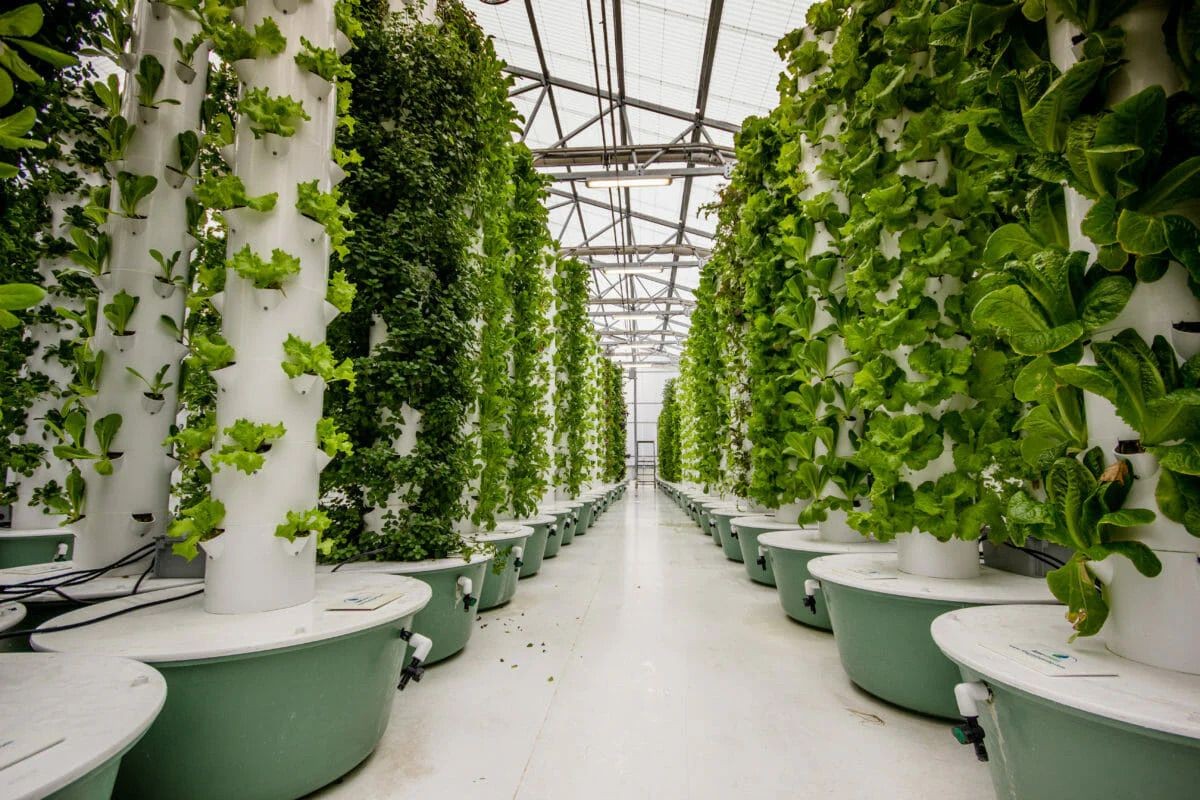
INFN8 VZN introduces soil-free agricultural systems including hydroponics, aeroponics, and aquaponics to communities where traditional farming has become a health hazard. These systems produce safe, nutritious food completely independent of contaminated ground, delivering clean crops and a source of income during remediation and for years after the land has been restored. Food security in Ghana's mining communities should not require waiting decades for soil to heal.
Project 3: Keeping Ghana's Children Out of Illegal Mines Through Education Access
Thousands of children across Ghana's mining regions work in and around active illegal mine sites because their families cannot afford school fees, uniforms, or basic supplies. The barrier to staying in school is not ambition. It is cost.
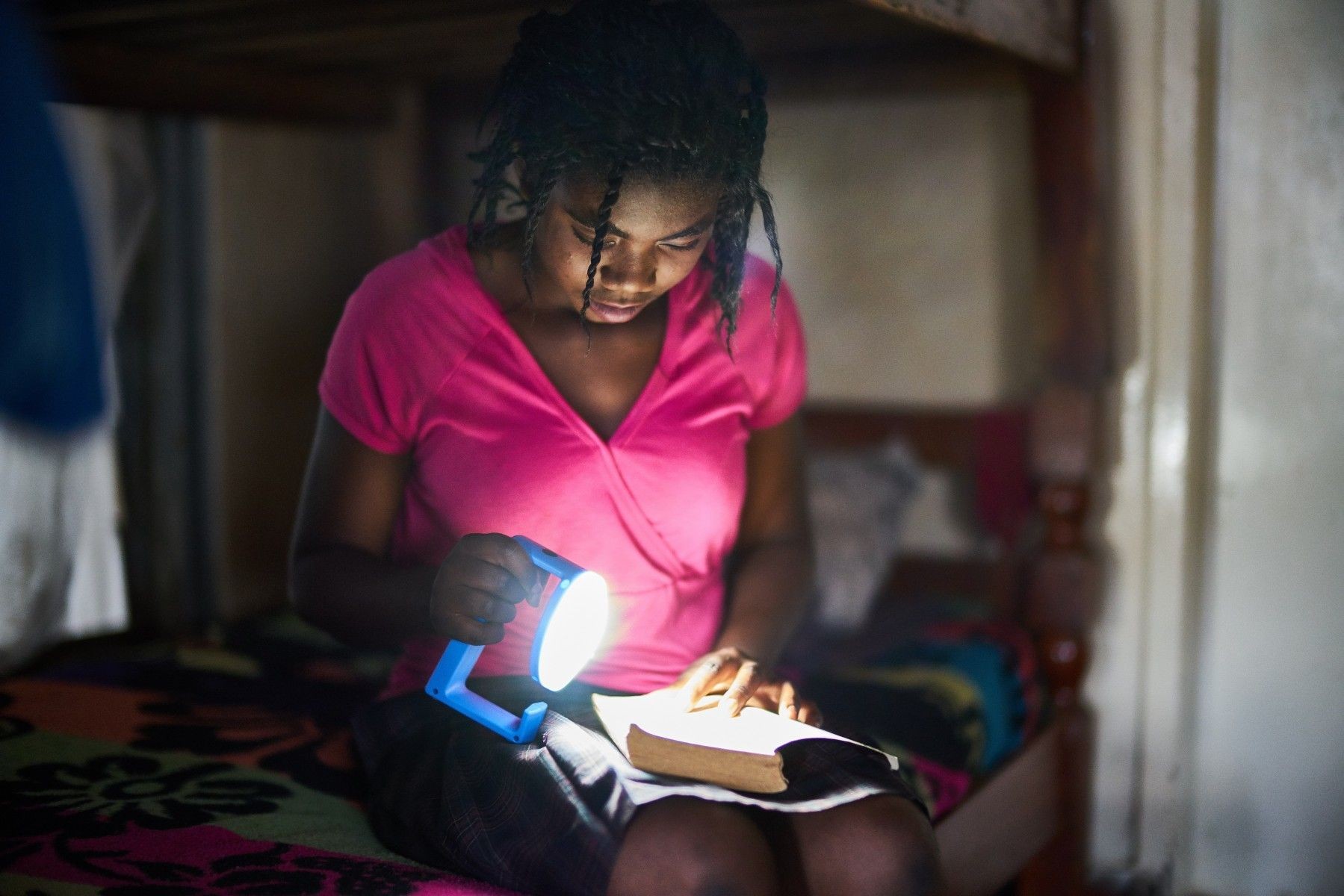
INFN8 VZN runs school supply drives that put books, materials, and solar lanterns directly into the hands of children in Ghana's most affected communities, removing the financial barrier that pushes them into mining work and giving them the tools to study after dark when the school day is over. Every child who stays in a classroom is one less child exposed to the mercury contamination and physical hazards that surround active galamsey sites. This is not a peripheral program. It is one of the most direct interventions available for protecting the health and futures of Ghana's youngest and most vulnerable population.
Be Part of the Reversal: Ghana Cannot Wait for Someone Else to Act
Three projects. One integrated mission. A country whose water, soil, food systems, and children are all paying the price of a crisis that has gone unaddressed for too long.

INFN8 VZN is not here to produce another report on what galamsey has done to Ghana. The data exists. The science is settled. What has been missing is deployment, and that is exactly what this organization was built to deliver. We cannot do it without partners, donors, and people willing to put real resources behind a mission that is already in motion.